Recreational Vehicles Cleaned From Roof to Chassis
RV Detailing Services in Oxnard for motorhomes and trailers with oxidation and interior grime
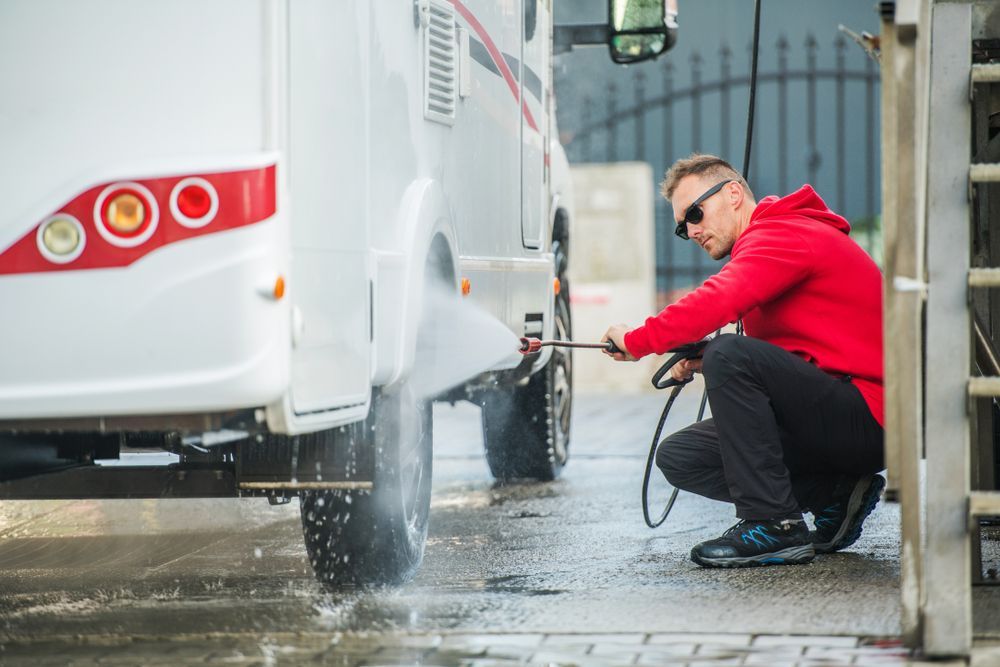
The larger surface area and mixed materials on recreational vehicles create detailing challenges that standard car wash equipment cannot address. Oliver's Mobile Detailing performs full exterior washing including roof and siding, oxidation removal from fiberglass and aluminum, interior deep cleaning of living spaces, slide-out detailing, and protective coating application designed for RV materials. Your RV accumulates road film, tree sap, and UV damage during travel and storage, with Oxnard's coastal environment accelerating oxidation and salt deposits on exterior surfaces. The service restores finish and applies marine-grade protection to prevent continued degradation.
Oxidation removal uses compounds formulated for gel coat and painted aluminum that cut through the chalky layer created by sun exposure without removing healthy finish beneath. Roof cleaning addresses the flat horizontal surface that collects debris and develops mildew in seams where water pools. Interior work treats the living cabin with upholstery shampooing, hard surface sanitization, and ventilation cleaning to remove odors from closed-up storage periods. Slide-out detailing reaches the telescoping sections and seals that trap dirt in mechanisms and gaskets.
Schedule mobile RV detailing to prepare your vehicle for travel or protect it during storage.
Why RV Care Differs From Standard Vehicles
RV exteriors combine fiberglass gel coat, aluminum siding, rubber roofing material, and plastic trim, each requiring specific cleaning products to avoid damage. The roof demands walking access and appropriate cleaners that won't degrade rubber or TPO membrane used in construction. Oxidation appears as white chalking on colored surfaces where UV breaks down finish, requiring cutting compounds to remove the damaged layer and expose intact material below. Protective wax or synthetic coating seals the refreshed surface against moisture intrusion and further UV damage. Interior cleaning addresses the damp, confined spaces where mold develops during storage, using antimicrobial treatments rather than standard household cleaners.
You'll see siding that returns to glossy finish instead of flat, faded color, window seals that are clean and pliable rather than black with mildew, and interior surfaces free of the musty smell that indicates mold growth. Slide-out mechanisms will operate smoothly without grinding dirt through seals. The roof will shed water properly rather than pooling in depressions that accelerate deterioration.
The service includes window cleaning inside and out, with seal inspection to identify potential leak points before they cause interior water damage. Awning fabric receives cleaning if deployed, but stored awnings are not opened during standard detailing. Undercarriage and chassis cleaning are available as separate additions, as are holding tank sanitization and black streak removal for severe staining on sidewalls.
What RV Owners Want to Know
Detailing questions for recreational vehicles often focus on materials, access, and the differences from automotive care.
What is oxidation and why does it happen faster on RVs than cars?
Oxidation occurs when UV radiation breaks down the chemical bonds in gel coat or paint, creating a chalky surface layer, and it progresses faster on RVs because of their larger flat surfaces that receive direct sun exposure without the curves that deflect light on automobiles.
How is the roof cleaned without causing damage to membrane material?
Roof cleaning uses soft brushes and pH-neutral cleaners specifically formulated for EPDM rubber or TPO membrane, avoiding petroleum-based products that degrade roofing material and ensuring technicians wear soft-soled shoes to prevent punctures.
Can interior detailing address mold problems from storage in Oxnard humidity?
Interior work removes visible mold from hard surfaces and treats fabric with antimicrobial solutions, though severe mold penetration into wall cavities or insulation requires remediation beyond cosmetic detailing.
What protective coating is used after oxidation removal?
Marine-grade wax or synthetic sealant designed for fiberglass provides UV barrier and water repellency, with reapplication recommended every six months for RVs stored outdoors in coastal areas.
How long does full RV detailing take compared to a car?
RV detailing typically requires four to eight hours depending on size and condition, compared to two to three hours for standard automobiles, due to increased surface area and the variety of materials involved.
Oliver's Mobile Detailing travels to your RV storage location or residence with equipment sized for recreational vehicle work. Contact the team to arrange service based on your RV's current condition and upcoming travel plans.