
Marine Vessels Treated for Saltwater Exposure
Boat Detailing Services in Oxnard for watercraft showing salt staining and gel coat oxidation
Salt deposits that leave white crust on railings and gel coat that has lost its glossy finish indicate the corrosive effects of marine use that boat detailing reverses. The process includes salt and water stain removal, hull cleaning with marine-safe products, interior cabin deep cleaning, mold and mildew treatment, gel coat polishing, and UV protection coating application. Oliver's Mobile Detailing addresses the accelerated deterioration that occurs when boats operate in Oxnard's saltwater environment, where mineral deposits etch surfaces and constant moisture promotes biological growth. After treatment, your vessel will show restored gel coat clarity, protected metal fittings, and a cabin free of the mildew odors common in marine environments.
Hull cleaning removes the brown waterline staining and barnacle residue that accumulate below the surface, using marine-safe detergents that won't harm protective bottom paint or discharge harmful chemicals into harbor water. Interior work targets the damp cabin spaces where mold grows on cushions, bulkheads, and in lockers, treating both visible growth and the spores that cause recurring problems. Gel coat restoration involves compounding to remove oxidation and fine scratches, then polishing to restore the glossy finish that characterizes well-maintained fiberglass. Marine protection coating provides a barrier against UV rays and saltwater intrusion that cause ongoing damage between detail sessions.
Arrange boat detailing at your dock or storage facility to restore and protect your vessel.
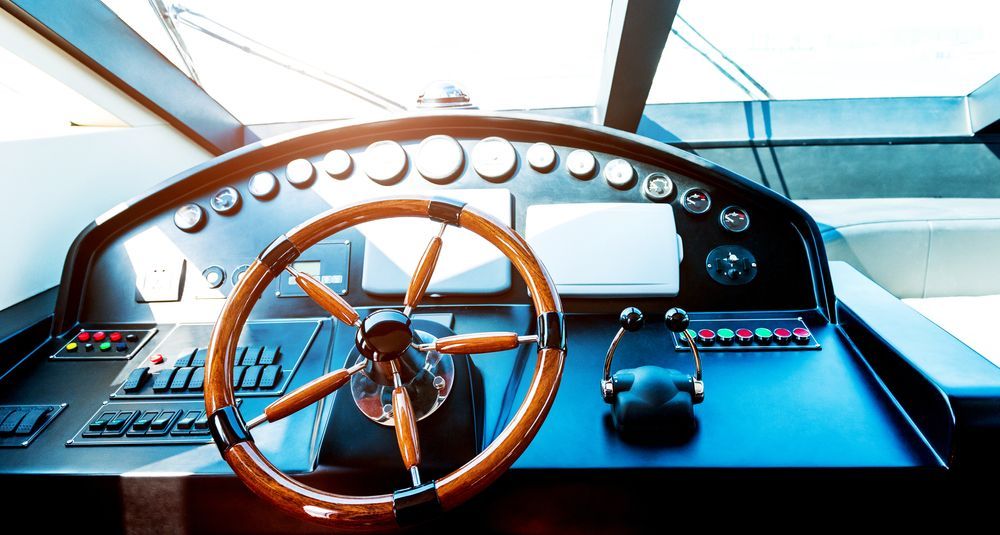
What Vessel Cleaning Actually Accomplishes
Boat detailing uses specialized products formulated to function in marine environments without contributing to water pollution, avoiding phosphates and harsh solvents that many automotive cleaners contain. Salt removal requires acid-based solutions that dissolve mineral deposits without etching gel coat or corroding metal hardware. Mold treatment applies antimicrobial agents to kill spores in fabric and porous surfaces, not just wipe away visible growth that returns within weeks. Gel coat polishing cuts through the oxidized layer using graduated compounds, removing haze and minor scratches to reveal the colored pigment beneath, then sealing it with marine wax or ceramic coating designed to withstand continuous water exposure.
Following the service, you'll notice gel coat that reflects clearly like glass rather than appearing cloudy, stainless steel fittings that shine without white corrosion buildup, and cushions that smell fresh rather than musty. The hull waterline will show the original color without brown tannin staining. Vinyl surfaces will be supple rather than cracked from sun damage. These changes extend the functional life of materials that degrade rapidly in saltwater conditions.
The service addresses the vessel's exterior gel coat, metal hardware, canvas and vinyl seating, cabin interior, and glass surfaces. It does not include mechanical systems, bilge pumping, or underwater hull work below the waterline while the boat is in the water. For vessels stored on trailers, the trailer itself can be cleaned as an additional service. Teak brightening and varnishing require separate specialized treatment beyond standard detailing.
Questions Boat Owners Ask Before Scheduling
Marine detailing involves specific concerns about saltwater damage, environmental regulations, and material compatibility that differ from land vehicle care.
What causes the brown staining at the waterline and can detailing remove it?
Waterline staining comes from tannins, algae, and mineral deposits in the water that bond to gel coat through constant contact, and it can be removed using marine-specific cleaners formulated to dissolve organic material without damaging bottom paint.
How does marine wax differ from automotive wax in protecting boats?
Marine wax contains higher concentrations of UV inhibitors and is formulated to bond to gel coat while resisting constant water exposure and salt intrusion, unlike automotive wax that breaks down rapidly in submerged or splash zone conditions.
Why does mold return quickly after cleaning boat interiors in Oxnard?
Mold returns when cleaning only removes surface growth without treating spores embedded in fabric and cushion foam, and when cabin ventilation remains inadequate to reduce the humidity that allows regrowth in the marine environment.
Can gel coat polishing fix spider cracks or only surface oxidation?
Polishing removes oxidation and minor surface scratches but cannot repair gel coat cracks, which are structural damage requiring fiberglass repair with resin and cloth rather than cosmetic buffing.
What documentation or precautions are needed when detailing boats at Oxnard marinas?
Marina detailing requires use of environmentally approved cleaning products that meet discharge regulations, and many facilities require proof of insurance and written permission before allowing mobile service providers on dock property.
Oliver's Mobile Detailing brings water supply, marine-safe products, and buffing equipment to your boat's location whether at dock, dry storage, or on trailer. Set up service by contacting the business to review your vessel's condition and schedule access.