
Paint Protected Against Environmental Exposure
Exterior Auto Detailing in Oxnard for vehicles showing oxidation and bonded contaminants
Exterior surfaces that feel rough to the touch despite appearing clean and trim pieces faded to gray indicate the kind of damage that exterior auto detailing corrects. The process involves hand washing with paint-safe products, clay bar treatment to remove embedded particles, wax or sealant application for UV protection, and trim restoration to reverse fading. Oliver's Mobile Detailing addresses the oxidation, industrial fallout, and road grime that accumulate on vehicles exposed to Oxnard's coastal salt air and sun. You'll notice paint that reflects light cleanly rather than appearing hazy and trim that returns to factory black instead of weathered brown.
Clay bar treatment mechanically removes contaminants bonded to the clear coat that washing cannot lift, including tree sap, brake dust overspray, and tar. The clay glides across wet paint, grabbing particles and pulling them free without scratching the surface. Wax application by hand creates a sacrificial barrier that UV rays and water attack instead of the clear coat beneath, preventing the chalky oxidation that develops on neglected paint. Tire and rim cleaning removes brake dust that causes pitting if allowed to bake onto metal surfaces repeatedly.
Arrange mobile exterior detailing to restore your vehicle's protective finish and appearance.
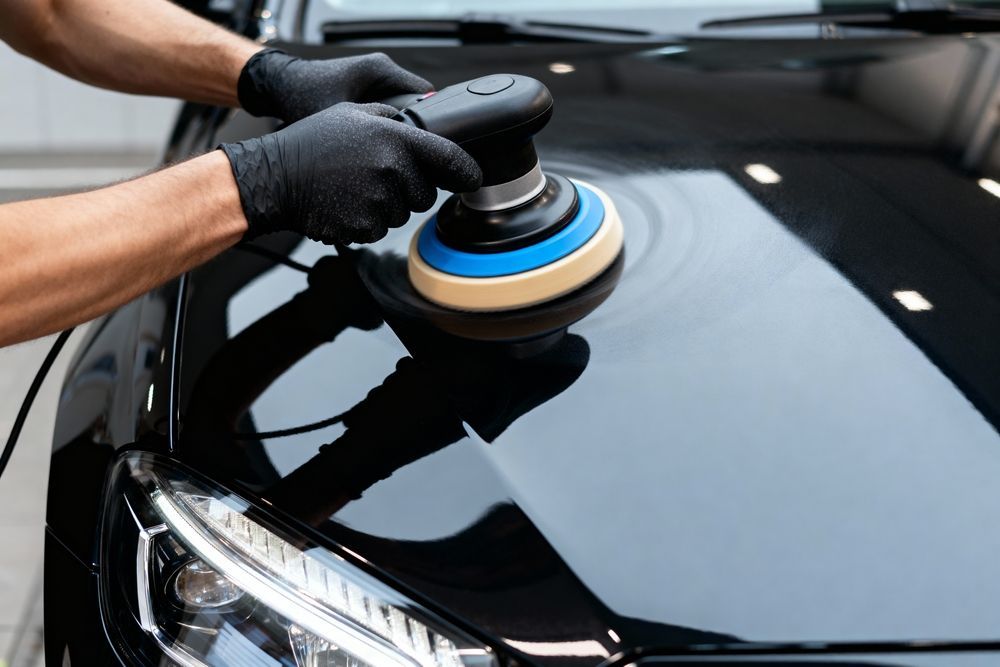
What Proper Exterior Treatment Requires
Hand washing uses the two-bucket method with grit guards to prevent dirt from being reintroduced to the wash mitt, reducing the risk of scratching that occurs when contaminated tools are dragged across paint. Clay bar work follows on clean, wet surfaces, with the clay folded and kneaded frequently to expose fresh areas as it collects particles. Wax or synthetic sealant is applied in thin, even layers and buffed to clarity, with sealants offering longer protection and traditional wax providing deeper warmth in paint color. Bug and tar removal uses solvents designed to dissolve organic material and petroleum residue without damaging clear coat or paint underneath.
After detailing completes, your vehicle's paint will feel glass-smooth when you run your hand across it, water will bead into tight spheres and roll off rather than sheeting across the surface, and trim will show restored black color with UV protectant preventing immediate re-fading. The front bumper and hood will be free of bug splatter and tar spots that previously required scraping. Wheels will display metal or factory finish without the brown layer of baked brake dust.
Trim restoration applies dressing that penetrates faded plastic and rubber to darken it back toward original appearance, though severely sun-damaged trim may not fully return to new condition. The service focuses on painted surfaces, glass, wheels, and exterior trim, not addressing engine bay or undercarriage unless specifically requested as additions. Wax protection degrades with exposure and typically requires reapplication every two to three months for maintained results.
Common Questions About Exterior Work
Understanding methods and timing helps vehicle owners decide when to schedule exterior detailing and what results to expect.
What does clay bar treatment actually remove from paint?
Clay bar pulls embedded contaminants like industrial fallout, rail dust, tree sap, and overspray that bond to clear coat through heat and time, creating the rough texture you feel when rubbing clean paint.
How does wax differ from sealant in terms of protection?
Wax is a natural product that provides warmth and depth to paint but typically lasts six to eight weeks, while synthetic sealants bond more strongly to clear coat and offer protection for three to four months with slightly less visual warmth.
Why does Oxnard's location make regular waxing more important?
Coastal salt air accelerates oxidation on automotive paint, and year-round sun exposure degrades clear coat faster than in regions with seasonal cloud cover, making protective barriers essential for preventing permanent damage.
Can exterior detailing remove scratches or just hide them?
Detailing removes surface contaminants and applies protection but does not repair scratches in clear coat or paint, which require polishing or repainting depending on depth.
When should trim restoration be done relative to other exterior work?
Trim treatment occurs after washing and clay bar work but before final wax application, ensuring the dressing bonds to clean plastic without being covered by wax meant for painted surfaces.
Oliver's Mobile Detailing brings water supply, washing equipment, and all treatment products to your location for exterior work without requiring shop visits. Reach out to set up service based on your vehicle's current exterior condition and protection needs.